
Planning a trip to Cebu? Find useful information about arriving, getting around, local transport, weather, money, communication and everyday travel essentials to help you explore Cebu with confidence.
Cebu is one of the Philippines’ most popular travel destinations, welcoming visitors from across the country and around the world. With a little preparation, travelling around the province can be both enjoyable and rewarding.
Whether you are visiting Cebu City, staying at a beach resort or exploring smaller islands, understanding local transport, travel conditions and practical arrangements will help you make the most of your visit.
Getting to Cebu
Cebu is accessible by air and sea, with connections to destinations throughout the Philippines and several international locations.
Arriving by Air
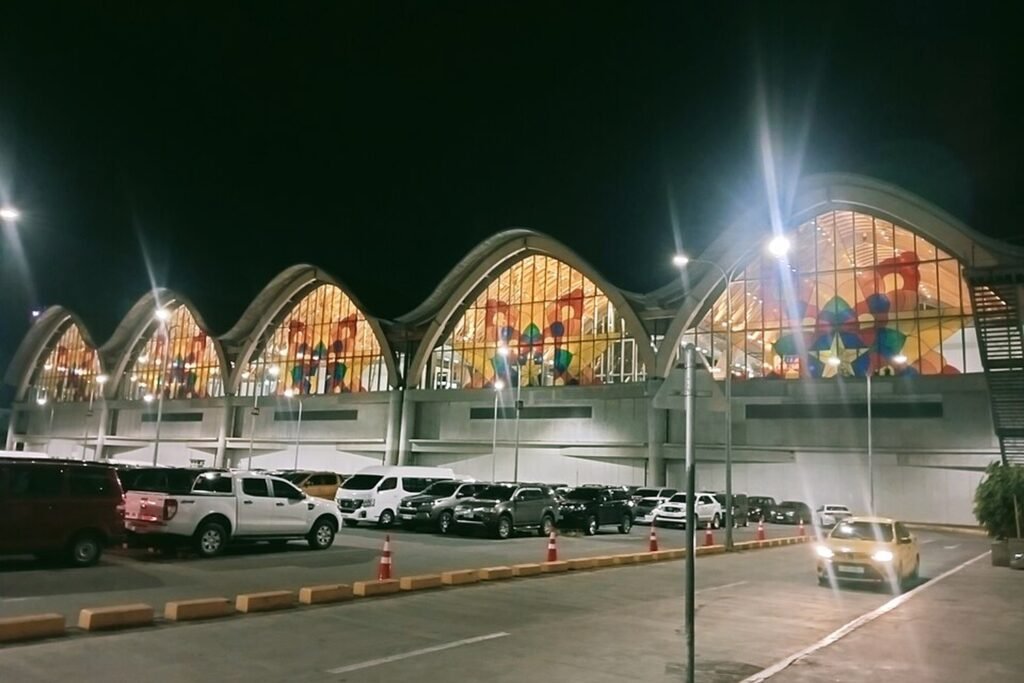
Mactan-Cebu International Airport is the main gateway to Cebu. Located on Mactan Island in Lapu-Lapu City, it serves domestic and international flights.
The airport is connected to Cebu City by road bridges, with taxis, ride-hailing services, airport transfers and other transport options available.
Travelling between the airport and Cebu City can take considerably longer during busy traffic periods, so allow sufficient time when planning transfers.
Arriving by Ferry
Cebu is also an important centre for sea transport in the central Philippines.
Passenger ferries connect Cebu with destinations such as Bohol, Leyte, Negros and other islands.
Services vary by route and operator, with both fast passenger vessels and larger ferries operating from different terminals.
Check the correct departure terminal, current schedules and weather conditions before travelling.
Getting Around Cebu
Transport options vary considerably between Cebu City, coastal towns and smaller islands.
Taxis and Ride-Hailing Services
Metered taxis and app-based ride-hailing services are commonly used in Cebu City and parts of Mactan Island.
They are convenient for airport transfers, shopping trips and journeys between major attractions.
Availability may be more limited outside the main urban areas.
Jeepneys, Buses and Public Transport
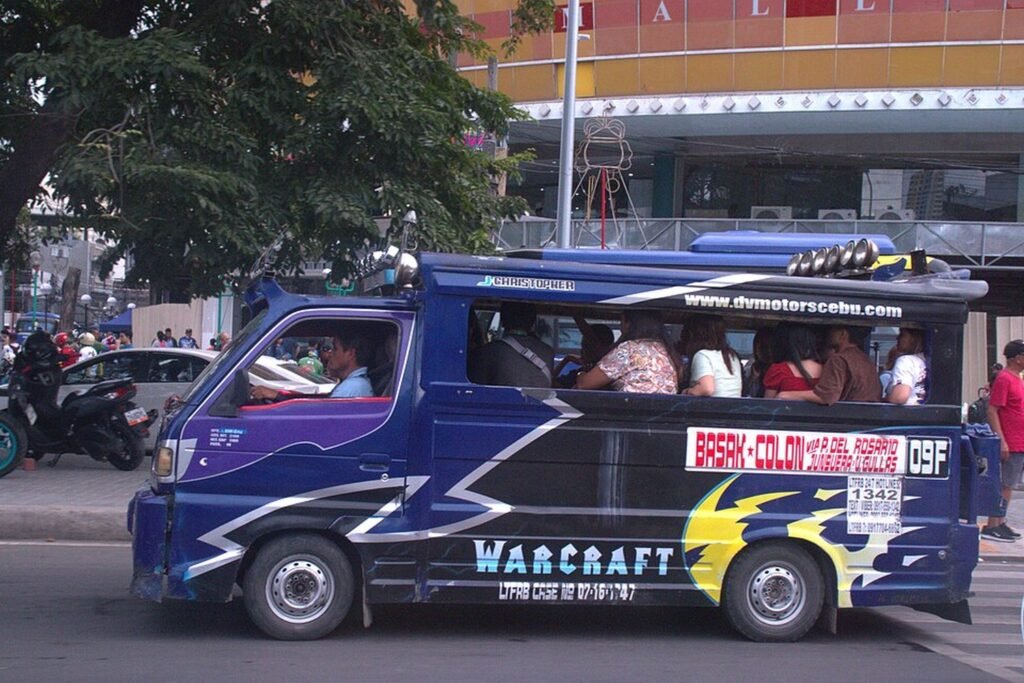
Jeepneys are a familiar part of Cebu’s public transport system, serving many urban and suburban routes.
Modern public utility vehicles also operate on selected routes.
Buses connect Cebu City with towns and destinations across the province. Major provincial bus services generally operate from terminals serving northern and southern Cebu.
For longer journeys, confirm the destination, departure point and approximate travel time before boarding.
Motorcycles, Tricycles and Local Transport
Motorcycle taxis and tricycles are used in various parts of Cebu, particularly for shorter journeys.
On smaller islands and in rural communities, local transport arrangements may differ from those found in Cebu City.
Agree on the fare beforehand when travelling in a vehicle without a meter or clearly displayed fixed fare.
Travelling Between Cebu’s Islands
Several popular destinations require a combination of road and sea travel.
Bantayan Island is commonly reached by travelling to Hagnaya Port in northern Cebu and taking a ferry to Santa Fe.
Malapascua Island is reached by travelling to Maya in northern Cebu, followed by a boat crossing.
The Camotes Islands are accessible by ferry services from mainland Cebu, depending on the route and current operating schedules.
Sea conditions can affect departures, especially during periods of unsettled weather.
Allow flexibility when planning island transfers and confirm current schedules directly with transport operators.
Weather and the Best Time to Visit
Cebu has a tropical climate, with warm temperatures throughout the year.
Conditions vary by season, location and local weather patterns.
Many travellers favour the generally drier months, particularly from December to May, for beach holidays and outdoor activities.
Rainfall can occur at any time of year, and tropical storms may affect travel conditions, especially during the wetter months.
For island-hopping, diving and other marine activities, check local forecasts and sea conditions before departure.
Money and Payments
The official currency is the Philippine peso (PHP).
Cash remains useful throughout Cebu, particularly in local markets, smaller restaurants, rural communities and some transport services.
Credit and debit cards are accepted at many hotels, shopping centres and larger establishments.
Mobile payment services such as GCash and Maya are also widely used, although acceptance varies.
ATMs are available in major towns and commercial areas. Visitors travelling to smaller islands should consider carrying sufficient cash for their immediate needs.
Mobile Phones and Internet Access
Mobile networks provide coverage across much of Cebu, although signal strength can vary in mountainous areas and on smaller islands.
Local SIM cards and eSIM services may be available to eligible visitors, depending on their devices and the requirements of the provider.
Hotels, cafés and restaurants frequently offer Wi-Fi, particularly in urban areas and established tourist destinations.
For travellers who rely on maps, transport information or online communication, mobile data can be particularly useful.
Language and Communication
Cebuano, also known as Bisaya, is the principal local language spoken throughout much of Cebu.
Filipino and English are also widely understood, particularly in cities, tourist areas, hotels and businesses.
Visitors can generally communicate in English at major travel establishments.
Learning a few Cebuano expressions can make everyday interactions more enjoyable.
For example, salamat means thank you, while maayong buntag means good morning.
Safety and Travel Awareness
Cebu welcomes large numbers of domestic and international visitors each year.
As with any travel destination, sensible precautions can help make your visit more comfortable.
Keep valuables secure, use reputable transport services and remain aware of your surroundings in crowded areas.
When swimming, diving or participating in outdoor activities, follow local safety instructions and choose experienced operators.
For waterfalls, mountain trails and marine excursions, check weather conditions and any local access restrictions.
Visitors should also consult current official travel advice before departure.
Health and Medical Services
Cebu City and other major urban areas have hospitals, clinics and pharmacies.
Medical facilities may be more limited in remote communities and on smaller islands.
Travellers should consider appropriate travel insurance, particularly when planning diving, canyoneering, motorcycle travel or other adventure activities.
Bring necessary personal medication and check any applicable rules for bringing medicines into the Philippines.
For emergencies in the Philippines, the national emergency hotline is 911.
Travel Documents and Entry Requirements
International visitors should check current Philippine entry requirements before travelling.
Passport validity, visa arrangements and permitted lengths of stay depend on nationality and individual circumstances.
Some travellers may also need to complete an electronic arrival registration through the Philippine government’s eTravel system.
Requirements can change, so consult official Philippine immigration and government information before departure.
Domestic travellers should also carry suitable identification when using airlines and other transport services.
Respecting Local Culture
Cebu has a rich cultural heritage shaped by centuries of history, community traditions and religious life.
Visitors are welcome to explore churches, historic landmarks, festivals and local neighbourhoods.
Dress respectfully when visiting religious sites, follow local guidelines and ask permission before photographing people in private or sensitive situations.
Supporting local businesses, treating residents courteously and respecting natural environments all contribute to positive travel experiences.
Plan Your Cebu Adventure
From busy city streets to peaceful islands, mountain communities and coastal destinations, Cebu offers many rewarding experiences.
A little advance planning can make travelling easier, especially when combining destinations that are far apart or require ferry connections.
With practical information and a flexible itinerary, you can spend more time enjoying Cebu’s landscapes, culture, food and attractions.
- Photo Credits
- Mactan-Cebu International Airport Terminal 2: Ralffralff via Wikimedia Commons, licensed under CC BY-SA 4.0. Cropped/resized by Cebu.PH. Source: https://commons.wikimedia.org/wiki/File:Mactan-Cebu_International_Airport_Terminal_2,_Jan_2024.jpg · Licence: https://creativecommons.org/licenses/by-sa/4.0/
- Cebu City Jeepney: Wikimedia Commons, dedicated to the public domain under CC0 1.0. Cropped/resized by Cebu.PH. Source: https://commons.wikimedia.org/wiki/File:Cebu_City_Jeepneys.jpg · Licence: https://creativecommons.org/publicdomain/zero/1.0/
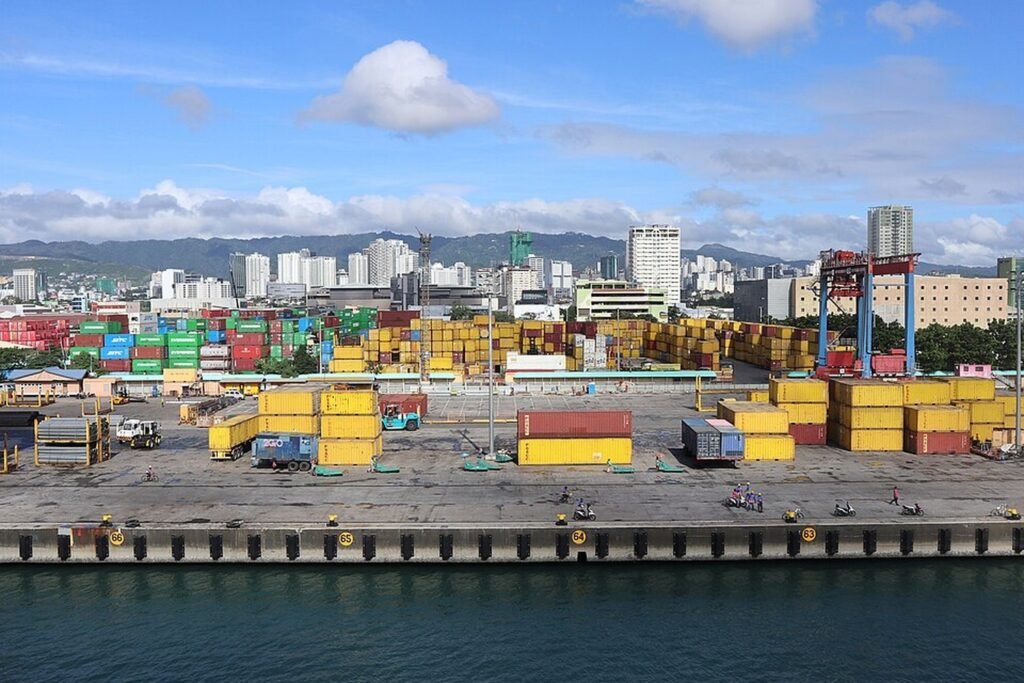
- Cebu Port Pier 5: Patrickroque01 via Wikimedia Commons, licensed under CC BY-SA 4.0. Cropped/resized by Cebu.PH. Source: https://commons.wikimedia.org/wiki/File:Cebu_Port_Pier_5_(Cebu_City;_01-09-2025).jpg · Licence: https://creativecommons.org/licenses/by-sa/4.0/


